
Deciding between wall mounted and freestanding garage shelving can be challenging. Both have distinct advantages and drawbacks depending on your garage layout, the items you need to store, and your long-term plans. This article breaks down the key differences, provides a side-by-side comparison, and offers practical advice to help you choose the right system for your US garage.
Wall Mounted vs Freestanding: Quick Comparison
| Factor | Wall Mounted Shelving | Freestanding Shelving |
|---|---|---|
| Installation | Requires drilling into wall studs; more labor-intensive | No wall attachment; assemble and place on floor |
| Space Utilization | Frees up floor space; ideal for narrow garages | Occupies floor area; can be moved or reconfigured |
| Weight Capacity | Depends on wall structure and anchoring; typically lower than heavy-duty freestanding units | Can support very heavy loads if built with sturdy materials |
| Flexibility | Fixed in place; difficult to relocate | Portable; can be rearranged or taken to a new home |
| Cost | Often lower upfront cost (just shelves and brackets) | Higher initial investment for a complete unit |
| Stability | Stable when properly anchored to studs | May tip if overloaded or on uneven floors; some units include anti-tip hardware |
| Best For | Light to medium items, long-term storage, maximizing floor space | Heavy items, frequent reorganization, renters or temporary setups |
When to Choose Wall Mounted Garage Shelving
Wall mounted shelving is ideal if you want to keep your garage floor clear for parking, workbenches, or other equipment. It works well for storing items like bins, tools, and seasonal decorations that aren’t excessively heavy. Before installing, always check your garage wall construction—drywall alone cannot support shelves; you must anchor into wood or metal studs. Use a stud finder to locate studs, and follow the manufacturer’s instructions for mounting hardware. Never exceed the recommended load per shelf, and distribute weight evenly.
Common mistakes with wall mounted shelving include overloading, using improper anchors (e.g., plastic drywall anchors for heavy loads), and failing to level the shelves. If you’re storing heavy items like power tools or large totes, consider reinforcing with additional brackets or choosing a freestanding alternative.
When to Choose Freestanding Garage Shelving
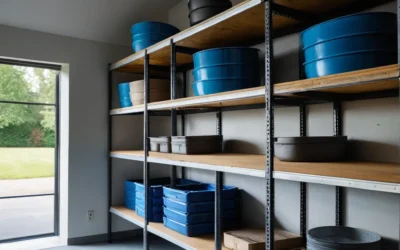
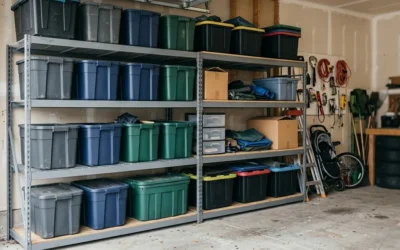
Freestanding shelving units are a versatile choice for garages where you need to store heavy items like car parts, bulk supplies, or large equipment. They require no wall attachment, making them a great option for renters or if you plan to move. However, they take up floor space, so measure your garage carefully before purchasing. Look for units with adjustable shelves to accommodate different item heights, and ensure the unit has a solid base or anti-tip brackets for stability.
One common mistake is placing a freestanding unit on an uneven garage floor, which can cause wobbling or tipping. Use a level and shims if needed. Also, be cautious about overloading—each shelf has a weight limit, and stacking too much can cause the unit to buckle. If you need to store very heavy items, opt for a heavy-duty steel unit with a high weight capacity.
Step-by-Step Decision Guide
- Assess your garage space: Measure width, depth, and height. Note any obstructions like windows, doors, or utility boxes.
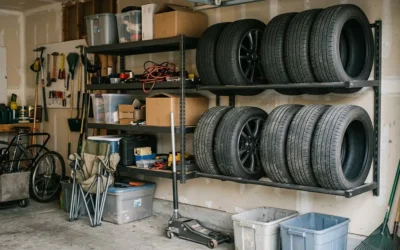
- Determine what you’ll store: List items by weight and size. Heavy items (e.g., tool chests, tires) favor freestanding; light to medium items (e.g., holiday decorations, garden supplies) work with wall mounted.
- Consider your lease or ownership: If you rent, freestanding is easier to take with you. If you own and plan to stay, wall mounted can be a permanent solution.
- Check wall construction: Can you locate studs? Is the wall concrete or masonry? Wall mounted requires solid anchoring.
- Budget: Wall mounted kits are often cheaper, but you may need extra brackets or a stronger system for heavy loads. Freestanding units have a higher upfront cost but no installation hardware.
- Plan for future changes: If you expect to reorganize often, freestanding offers flexibility. For a set-and-forget setup, wall mounted is fine.
Common Mistakes to Avoid
- Ignoring weight limits: Every shelf has a maximum load. Check the manufacturer’s rating and never exceed it.
- Poor anchoring: For wall mounted, always anchor into studs. Use appropriate hardware for masonry walls. For freestanding, ensure the unit is on a level surface and use anti-tip brackets if provided.
- Not measuring properly: Shelves that are too deep or too tall can block access or interfere with garage doors.
- Overcrowding shelves: Leave space between items for easy retrieval and airflow to prevent moisture damage.
- Forgetting about accessibility: Place frequently used items at waist level; store rarely used items higher or lower.
Related Guides
- Best Wide Garage Shelving: Top Picks for Heavy-Duty Storage
- Best Garage Shelving for Large Garages
- Best Heavy Duty Garage Shelving
Frequently Asked Questions
1. Can I mix wall mounted and freestanding shelving in the same garage?
Yes, many homeowners use a combination. For example, wall mounted shelves for lighter seasonal items and a freestanding unit for heavy tools or bulk supplies.
2. Which type is easier to install?
Freestanding units are generally easier because they require no wall attachment—just assemble and place. Wall mounted shelving involves drilling, finding studs, and leveling.
3. How do I calculate the weight capacity for wall mounted shelves?
Capacity depends on the shelf material, bracket strength, and wall anchoring. Follow the manufacturer’s specifications. As a rule, each shelf should not exceed 50-75 lbs for standard drywall with studs, but always refer to the product manual.
4. Can freestanding shelves be secured to the wall for extra stability?
Yes, many freestanding units include a bracket or strap to attach to the wall. This is especially recommended for taller units or if you have children or pets.
5. What’s the best option for a garage with limited floor space?
Wall mounted shelving is ideal because it uses vertical wall space and keeps the floor clear. Check out our guide on best garage shelving for narrow spaces for more ideas.
Final Thoughts
Both wall mounted and freestanding garage shelving have their place in an organized garage. The right choice depends on your specific needs: wall mounted for saving floor space and storing lighter items; freestanding for heavy loads and flexibility. For more detailed product comparisons, see our reviews of best freestanding garage shelving and best adjustable metal garage shelving. If you’re storing Christmas decorations, also check out Christmas storage tips. Always prioritize safety by following manufacturer instructions and using proper installation techniques.


Write Your Review
No reviews yet. Be the first to share your experience!