
When organizing your garage, one of the biggest decisions is choosing between metal and plastic shelving. Both materials have distinct advantages and drawbacks, and the right choice depends on what you plan to store, your garage’s environment, and your budget. This article compares metal and plastic garage shelving across key factors to help you select the best option for your space.
Top Products
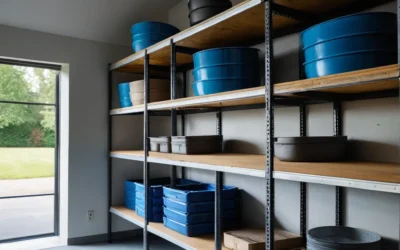
While this isn’t a product roundup, understanding the typical features of metal and plastic shelving units will guide your purchase. Below is a comparison of the two materials based on common characteristics.
| Factor | Metal Garage Shelving | Plastic Garage Shelving |
|---|---|---|
| Durability | Very high; steel or aluminum resists impact and bending. | Moderate; can crack or warp under heavy loads or extreme temperatures. |
| Weight Capacity | Typically 200–800+ lbs per shelf (varies by gauge and design). | Usually 50–200 lbs per shelf; best for lighter items. |
| Corrosion Resistance | Requires coating (paint, epoxy) to prevent rust in damp garages. | Naturally resistant to moisture and chemicals; ideal for humid spaces. |
| Cost | Higher upfront cost, but longer lifespan. | Lower initial investment; may need replacement sooner. |
| Assembly | Often requires tools and more time; some models are adjustable. | Usually snap-together or tool-free; faster to set up. |
| Appearance | Industrial look; can be painted or finished. | Often white or neutral; sleek but may show scratches. |
| Best For | Heavy tools, automotive parts, bulk storage. | Light boxes, holiday decorations, gardening supplies. |
For detailed product recommendations, see our reviews of best plastic garage shelving and best adjustable metal garage shelving.
Buying Guide
When choosing metal vs plastic garage shelving, consider the following factors to match your specific needs:
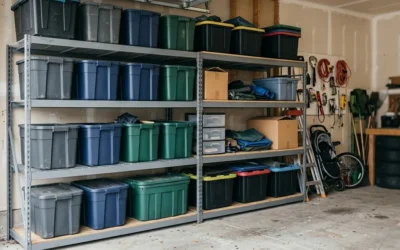
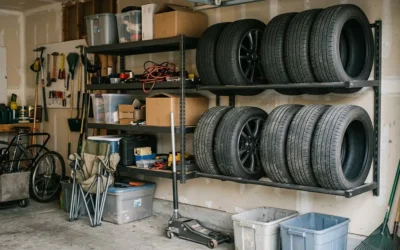
- Assess your storage load. Estimate the total weight you plan to store. Metal shelving is better for heavy items like power tools, car parts, and bulk containers. Plastic works for lighter loads such as seasonal decorations, camping gear, or small boxes.
- Check garage conditions. If your garage is damp, uninsulated, or prone to temperature swings, plastic resists rust and corrosion better than untreated metal. However, some metal shelves have protective coatings—always read the manufacturer’s specifications.
- Measure your space. Consider width, depth, and height. Metal units often have adjustable shelves, making them versatile for odd-shaped items. Plastic shelves may be fixed or semi-adjustable. For narrow areas, explore best garage shelving for narrow spaces.
- Decide on mobility. Freestanding metal or plastic units can be moved, but heavy metal shelves are harder to relocate. If you need portability, look at best freestanding garage shelving for options with wheels or lightweight designs.
- Budget for the long term. Plastic shelving costs less upfront but may need replacement in a few years. Metal is an investment that can last decades if maintained. Factor in your usage frequency.
Always follow the manufacturer’s instructions for assembly, anchoring, and weight limits. Never exceed the rated capacity, and secure tall units to wall studs to prevent tipping. For specific tools or totes, see best garage shelving for totes.
Common Mistakes
- Overloading plastic shelves. Plastic can creep or crack under sustained heavy weight. Always check the per-shelf limit and distribute loads evenly.
- Ignoring humidity. In a damp garage, uncoated metal shelves will rust. Choose plastic or coated metal, and consider a dehumidifier.
- Forgetting to anchor. Both metal and plastic shelving can tip if not secured, especially when loaded unevenly. Use wall anchors or brackets as recommended by the manufacturer.
- Not measuring doorways. Some assembled units won’t fit through standard doors. Plan assembly in the garage or buy units that come in manageable pieces.
- Choosing based on price alone. Cheap plastic shelves may sag or break, costing more in the long run. Balance initial cost with expected lifespan.
Related Guides
Frequently Asked Questions
1. Can plastic garage shelving hold heavy tools?
Most plastic shelves are rated for 50–200 lbs per shelf, which is suitable for hand tools, but not for heavy power tools or automotive parts. For heavy loads, metal shelving is recommended.
2. Is metal shelving safe for storing holiday decorations?
Yes, but if your garage is damp, choose metal with a rust-resistant coating. Alternatively, plastic shelving is ideal for Christmas decorations because it won’t corrode. See our Christmas storage category for more tips.
3. How do I determine the weight capacity I need?
Add up the weight of the heaviest items you plan to store on one shelf. For example, if you have five 20-lb boxes, you need at least 100 lbs per shelf. Always leave a 20% safety margin below the rated capacity.
4. Can I mix metal and plastic shelving in the same garage?
Absolutely. Use metal for heavy-duty zones (workbench area) and plastic for lighter storage (holiday bins, camping gear). This optimizes cost and functionality.
5. What is the best material for a garage that also stores Christmas lights?
Plastic shelving is non-conductive and won’t rust, making it safe for storing electrical items like lights. However, ensure the shelves are sturdy enough for the weight. For related products, visit Christmas lights and Christmas decorations.
Final Thoughts
Both metal and plastic garage shelving have their place. Start by evaluating your storage needs, garage environment, and budget. For heavy-duty storage, metal is the clear winner. For lightweight, moisture-prone areas, plastic offers convenience and corrosion resistance. No single material is best for every situation—choose based on your specific requirements. For more options, browse our Garage Shelving category.

Write Your Review
No reviews yet. Be the first to share your experience!