
Garage shelves often become dumping grounds for random tools, holiday decorations, and forgotten boxes. A well-organized system not only saves time but also protects your belongings and maximizes space. Whether you are setting up new shelves or revamping existing ones, this guide walks you through practical steps to organize garage shelves effectively.
Step 1: Declutter and Sort Everything
Start by removing everything from your shelves. Group items into categories: keep, donate, sell, or trash. Be ruthless – if you haven’t used it in a year, it’s likely clutter. For seasonal items like Christmas decorations, consider whether you truly need duplicates. This initial purge makes the rest of the process much easier.
As you sort, note what types of items you store most: heavy tools, bulky totes, or small hardware. This will guide your shelving choices later. For related tips on storing holiday items, see our Christmas Storage category.
Step 2: Measure and Plan Your Layout
Measure your garage’s wall space, ceiling height, and any obstructions like windows or doors. Sketch a rough layout. Decide which shelves will hold heavy items (lower shelves) and which will store lighter, infrequently used items (higher shelves). Leave enough aisle space for moving large objects. If you have narrow areas, check out our guide on best garage shelving for narrow spaces for ideas.
Step 3: Choose the Right Shelving Type
Different shelving materials suit different needs. Below is a comparison of common options. Remember, weight capacities and dimensions vary by manufacturer – always check the product specifications.
| Shelving Type | Best For | Pros | Cons |
|---|---|---|---|
| Plastic (resin) | Light to medium items, totes | Rust-proof, easy to clean, affordable | Lower weight capacity, can warp under heat |
| Metal (steel) | Heavy tools, large equipment | High weight capacity, sturdy, adjustable | Can rust if scratched, may require anchoring |
| Wood | Custom looks, light storage | Attractive, can be painted, sturdy | Susceptible to moisture, heavier to install |
| Wire | Airflow items, small parts | Lightweight, see-through, inexpensive | Not for heavy loads, items can fall through |
For detailed reviews, see our articles on best plastic garage shelving, best freestanding garage shelving, and best adjustable metal garage shelving. If you store many totes, our best garage shelving for totes guide can help.
Step 4: Install and Anchor Safely
Proper installation is critical for safety. Always follow the manufacturer’s instructions for assembly and anchoring. For freestanding shelves, ensure they are level and stable. For wall-mounted units, use suitable structural supports – typically studs in the wall. Never exceed the stated weight capacity. If you are unsure about electrical or load-bearing requirements, consult a professional. General advice: anchoring prevents tipping, especially in earthquake-prone areas. Refer to your shelf’s manual for specific fastener sizes and methods.
Step 5: Organize by Category and Frequency of Use
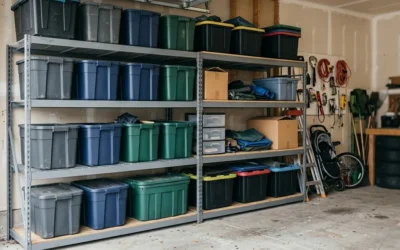
Place items you use often at eye level or within easy reach. Reserve high shelves for seasonal decorations or rarely used tools. Use clear bins and labels to identify contents quickly. Group similar items: automotive supplies together, gardening tools in one area, sports equipment in another. For heavy items like power tools, store them on lower shelves to reduce lifting risk. Consider using shelf dividers or bins to keep small parts from rolling around.
Step 6: Maintain Your System
Set a reminder every few months to quickly tidy up shelves. Return items to their designated spots after use. If you accumulate new items, reassess your layout periodically. A small investment in labeling and bin organization pays off long-term.
Common Mistakes to Avoid
- Overloading shelves: Exceeding weight limits can cause collapse or injury. Always check manufacturer ratings.
- Poor weight distribution: Place heaviest items on lower shelves and evenly distribute weight across each shelf.
- Skipping anchoring: Freestanding shelves can tip if not secured, especially in garages with uneven floors.
- Ignoring moisture: Garages can be humid. Use rust-resistant shelving or seal wood to prevent damage.
- Not planning for growth: Leave some empty space for future storage needs.
Related Guides
Frequently Asked Questions
How much weight can garage shelves hold?
Weight capacity varies widely by shelf type and manufacturer. Plastic shelves typically hold 150–250 lbs per shelf, while heavy-duty metal shelves can support 500+ lbs per shelf. Always refer to the product’s specifications. Never guess.
What is the best way to organize seasonal decorations on garage shelves?
Use clear, stackable totes labeled by holiday or season. Store them on higher shelves since they are used only once a year. For fragile items, wrap in bubble wrap and use sturdy bins. See our Christmas Storage category for more ideas.
Should I use freestanding or wall-mounted shelves?
Freestanding shelves are easier to move and don’t require wall anchoring (though anchoring is recommended for safety). Wall-mounted shelves save floor space but must be attached to studs. Your choice depends on garage layout and weight needs. For a comparison, read our best freestanding garage shelving article.
How do I organize small hardware on garage shelves?
Use small bins, drawer organizers, or magnetic trays. Label each compartment. Dedicate a shelf or a section of a shelf for hardware. Keep it near your workbench for easy access.
Can I mix different shelving types in one garage?
Absolutely. Many garages use metal shelves for heavy tools and plastic shelves for lighter totes. Just ensure each shelf is installed correctly and within its limits. Plan your layout to group similar items together.
For more shelving options, visit our Garage Shelving category to compare top picks for various needs.
Organizing your garage shelves doesn’t have to be overwhelming. With a clear plan, the right shelving, and regular maintenance, you can turn cluttered shelves into an efficient storage system. Start today and enjoy a more functional garage.


Write Your Review
No reviews yet. Be the first to share your experience!