
When organizing a garage, one of the most common dilemmas is choosing between garage cabinets and open shelving. Both have distinct advantages and drawbacks, and the right choice depends on what you store, your budget, and how much maintenance you’re willing to do. This article breaks down the key differences to help you make an informed decision without relying on guesswork.
Key Differences at a Glance
| Feature | Garage Cabinets | Open Shelving |
|---|---|---|
| Appearance | Enclosed, clean look; hides clutter | Exposed items; can look messy |
| Accessibility | Doors may require space to open | Easy grab-and-go access |
| Dust Protection | High; keeps items clean | Low; items collect dust |
| Cost | Higher upfront investment | Lower cost, especially DIY |
| Weight Capacity | Depends on construction and anchoring | Depends on shelf material and brackets |
| Installation | More complex; often requires assembly | Simpler; wall-mounted or freestanding |
| Flexibility | Fixed compartments; less adjustable | Adjustable shelf heights common |
Note: All weight capacities and installation requirements vary by product. Always refer to the manufacturer’s instructions and ensure your wall or floor can support the load. For heavy items, consult a structural engineer.
When to Choose Garage Cabinets
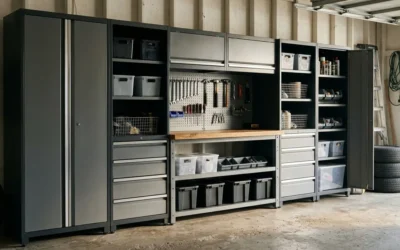
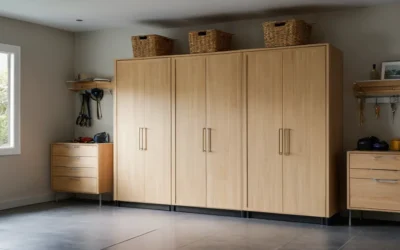
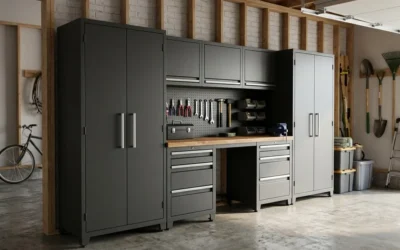
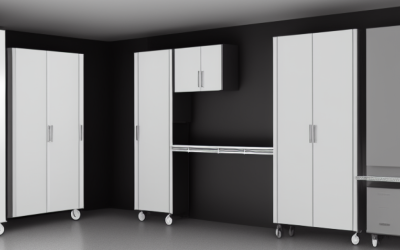
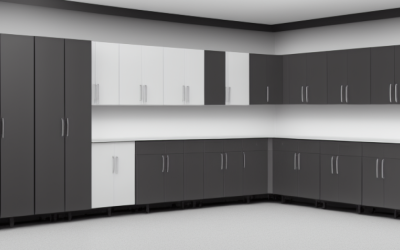
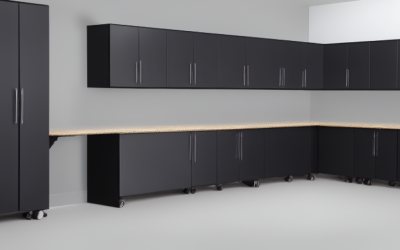
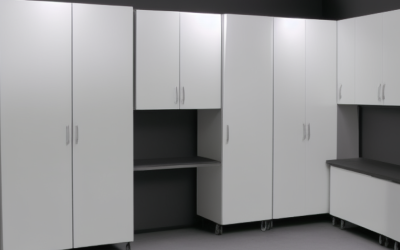
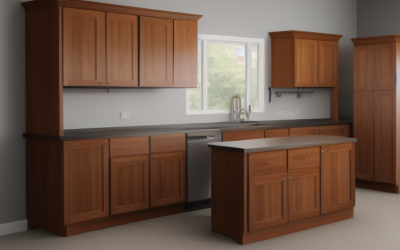
Garage cabinets are ideal if you prioritize a tidy, organized appearance and need to protect items from dust, moisture, or pests. They work well for storing:
- Chemicals and paints (kept in sealed containers)
- Small tools and hardware
- Seasonal decorations, such as Christmas ornaments or lights
- Sports equipment that needs to stay clean
Cabinets also provide a uniform look, which can increase home resale value. However, they are more expensive and require careful measurement to fit your space. For example, if you store Christmas tree stands or watering systems, cabinets keep them dust-free between seasons.
When to Choose Open Shelving
Open shelving is better for items you access frequently, such as garden tools, recycling bins, or large containers. It’s also a budget-friendly option that can be installed quickly. Open shelves work well for:
- Heavy, bulky items (like power tools or paint cans)
- Items that need to dry after use (like garden hoses)
- Frequently used gear (like garland ties or wreath lights)
- Seasonal decorations that are swapped out often
Open shelving allows you to see everything at a glance, reducing the time spent searching. However, it requires regular dusting and organization to avoid a cluttered look.
Common Mistakes to Avoid
- Ignoring weight limits: Overloading shelves or cabinets can cause structural failure. Always check the manufacturer’s load ratings. For cabinets, consider the combined weight of items on each shelf. For open shelving, ensure brackets are rated for the load and anchored into studs.
- Not measuring properly: Measure the width, depth, and height of your garage space, including obstacles like outlets or pipes. Leave room for doors to swing open fully.
- Skipping anchoring: Freestanding cabinets can tip over, especially in garages with uneven floors. Wall-anchor all tall cabinets per instructions. Open shelving must be secured to studs—never drywall alone.
- Mixing incompatible storage: Avoid storing chemicals above food or pet supplies. Keep heavy items on lower shelves.
- Forgetting ventilation: If storing paints or solvents, ensure cabinets have ventilation or store them in well-ventilated areas.
Installation and Safety Considerations
Installation methods differ significantly between cabinets and open shelving. For cabinets, you typically need to assemble the unit, level it, and anchor it to the wall. Some cabinets are designed to be hung on a rail system, which requires precise leveling. Open shelving often uses brackets that screw into studs, with shelves placed on top. In both cases:
- Always follow the manufacturer’s step-by-step instructions.
- Use a stud finder to locate wall studs; avoid mounting heavy loads on drywall alone.
- For electrical outlets or lighting near storage, consult a licensed electrician. Never run wiring behind cabinets without proper clearance.
- If your garage floor is sloped (common for drainage), use shims to level cabinets or shelving units.
Important: This article provides general advice. Specific installation, anchoring, and electrical work must be done according to the manufacturer’s instructions and local building codes. For load-bearing concerns, consult a structural engineer.
Calculating Storage Needs
To determine how much shelving or cabinet space you need, start by inventorying your items. Group them by size and weight. For example, a typical 5-gallon paint bucket weighs about 40 pounds when full. Measure the footprint of each item and add 10-20% for future additions. Then, calculate the total linear feet of shelving required. For cabinets, consider the internal depth and height—some cabinets have fixed shelves that limit tall items. Use this formula:
Total shelf area needed = (sum of item footprints) × (1 + safety margin)
For example, if you have 10 items each with a 1-square-foot footprint, you need at least 10 square feet of shelf area. With a 20% margin, that becomes 12 square feet. Compare this to the available shelf area in cabinets or open shelving units.
Related Guides
- Best Garage Cabinets with Locks
- Best Garage Power Tool Organizers
- Best Stainless Steel Garage Cabinets
Frequently Asked Questions
1. Can I mix both systems in the same garage?
Yes, many homeowners use cabinets for smaller, valuable items and open shelving for bulky or frequently used gear. This hybrid approach balances organization and accessibility.
2. How do I protect items on open shelves from dust?
Use clear plastic bins with lids, or cover shelves with a lightweight cloth. For seasonal decorations like snow globes, consider storing them in sealed containers on shelves.
3. Are garage cabinets worth the extra cost?
If you value a clean, organized look and need to protect items from dust or moisture, cabinets are a good investment. For budget-conscious shoppers, open shelving can be just as functional with proper organization.
4. What’s the best way to store heavy tools like power saws?
Heavy tools are safest on lower shelves or in cabinets with reinforced bottoms. Ensure the shelf or cabinet is rated for the weight. For open shelving, use heavy-duty brackets anchored into studs.
5. Can I install cabinets myself, or should I hire a professional?
Many garage cabinets are designed for DIY installation with basic tools. However, if you’re uncomfortable with leveling, anchoring, or electrical work, hiring a professional is safer. Always follow the manufacturer’s instructions.
Final Thoughts
Choosing between garage cabinets and open shelving comes down to your storage priorities. If you need dust protection and a clean look, cabinets are the way to go. If you want easy access and lower cost, open shelving works well. For many garages, a combination of both provides the best of both worlds. Remember to always follow manufacturer guidelines for installation and weight limits, and consult professionals for electrical or structural concerns.
For more garage organization tips, explore our Garage Cabinets category or related storage solutions like Closet Organization.

Write Your Review
No reviews yet. Be the first to share your experience!