
Choosing the right garage cabinets can transform your cluttered garage into an organized workshop or storage area. Whether you need to store tools, seasonal decorations, or sports equipment, this guide walks you through the key factors to consider—from material and size to weight capacity and installation. No single cabinet fits all, so understanding your needs and garage layout is the first step.
Top Products
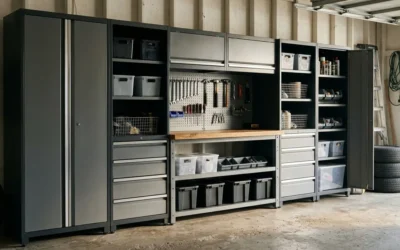
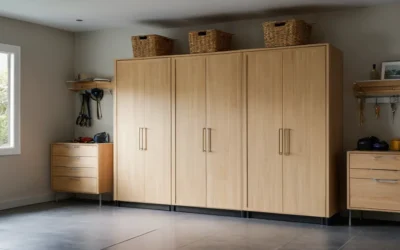
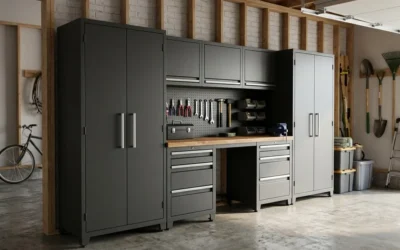
While this is not a product roundup, it helps to know the common types of garage cabinets available. Each type has its own strengths and weaknesses:
| Type | Material | Durability | Cost | Weight Capacity | Appearance |
|---|---|---|---|---|---|
| Steel / Metal | Heavy-gauge steel | High | Medium to High | High (check specs) | Industrial, sleek |
| Wood / Plywood | Plywood or MDF | Medium to High | Medium | Medium (check specs) | Warm, customizable |
| Plastic / Resin | Polypropylene or resin | Low to Medium | Low to Medium | Low to Medium | Basic, weather-resistant |
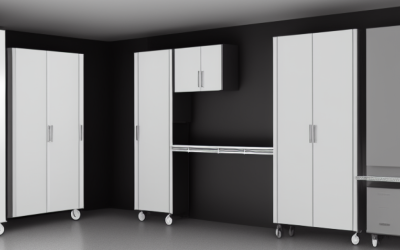
| Modular (mix & match) | Usually steel or wood | Varies | Varies | Varies | Flexible layout |
Always verify actual load ratings from the manufacturer. For storing heavy tools or equipment, steel cabinets are often preferred. For lighter items like holiday decorations, plastic or wood may suffice. If you need a custom layout, modular systems allow you to start small and expand later.
Buying Guide
When choosing how to choose garage cabinets, consider the following factors:
- Material: Steel offers strength and longevity; wood provides a classic look; plastic is lightweight and moisture-resistant. Match the material to your garage environment—steel can rust in humid conditions unless coated, while plastic may warp under extreme heat.
- Size and Layout: Measure your garage floor space and wall height. Standard cabinet depths range from 12 to 24 inches, but always measure your available area. Leave room for door swings and vehicle parking. Consider if you need base cabinets (floor-standing) or wall-mounted units.
- Weight Capacity: Check the manufacturer’s stated weight per shelf or drawer. Never exceed these limits. For heavy items like power tools, choose cabinets with reinforced shelves or full-extension slides.
- Wall Anchoring: All tall or wall-mounted cabinets must be anchored to wall studs. Use appropriate hardware (supplied or recommended by the manufacturer). Never mount cabinets to drywall alone—they can fall and cause injury.
- Modularity: Some systems allow you to add or rearrange components over time. This is ideal if your storage needs may change.
- Ventilation and Safety: If storing chemicals or flammable items, ensure the cabinet has proper ventilation or is designed for hazardous materials. Follow local fire codes.
- Ease of Assembly: Some cabinets come pre-assembled; others require DIY assembly. Factor in your skill level and available tools.
For storing seasonal items like Christmas decorations, consider cabinets with adjustable shelves to accommodate bulky ornaments or wreaths. The Garage Cabinets category on Laztos offers a variety of options, but always cross-check dimensions and load limits with your specific needs.
Step-by-Step Guide to Choosing Garage Cabinets
- Assess Your Storage Needs: List what you plan to store—tools, sports gear, holiday items, etc. Categorize by weight and frequency of use.
- Measure Your Space: Measure length, width, and height of the area. Note obstacles like windows, outlets, and water heaters. Sketch a layout.
- Decide on Cabinet Type: Based on your list, choose between steel, wood, or plastic. Consider modular if you anticipate changes.
- Check Weight Capacity: For each shelf or drawer, ensure the rated load exceeds the heaviest item you’ll place there. Add a safety margin.
- Plan Installation: Identify wall studs using a stud finder. Read the manufacturer’s installation manual thoroughly. If unsure, hire a professional.
- Consider Accessories: Drawer dividers, pegboards, and locking mechanisms can enhance organization. Some cabinets offer these as add-ons.
- Compare Warranty and Reviews: Look for warranties that cover defects and rust. User reviews often reveal real-world durability and ease of assembly.
Common Mistakes to Avoid
- Ignoring Weight Limits: Overloading shelves can cause collapse or damage. Always respect manufacturer specs.
- Skipping Wall Anchoring: Cabinets that aren’t secured can tip over, especially in earthquakes or when children climb. Anchor every cabinet per instructions.
- Choosing Style Over Function: A beautiful wood cabinet may not withstand a damp garage. Prioritize material suitability for your climate.
- Not Measuring Door Clearance: Cabinet doors or drawers need room to open fully. Blocking them limits access.
- Forgetting about Future Needs: Buy a system that can grow with you. Modular cabinets allow easy expansion.
Related Guides
- Best Garage Cabinets for Home Garage
- Best Garage Cabinets for Paint Storage
- Best Garage Garden Tool Organizers
Frequently Asked Questions
1. Can I install garage cabinets myself?
Many cabinets come with DIY instructions, but you must be comfortable with basic tools and anchoring to studs. For heavy or complex installations, professional help is recommended. Always follow the manufacturer’s installation guide for safety.
2. How much weight can typical garage cabinets hold?
Weight capacity varies widely—from 50 lbs per shelf for plastic cabinets to 200+ lbs for heavy-duty steel. Always check the product specifications. Distributing weight evenly also helps.
3. What is the best material for a humid garage?
Steel with a powder-coated finish or plastic/resin cabinets resist moisture better than bare wood. If you choose wood, ensure it is sealed or treated for garage conditions. Ventilation also reduces humidity.
4. Should I choose wall-mounted or floor-standing cabinets?
Wall-mounted saves floor space and is easier to clean under, but has lower weight capacity. Floor-standing offers more storage and stability, but takes up floor area. Many garages use a combination.
5. How do I store Christmas decorations in garage cabinets?
Use adjustable shelves to fit wreaths, garlands, and ornament boxes. Clear plastic bins help visibility. For fragile items, cushion with bubble wrap. The Christmas Storage category offers bins and organizers that pair well with garage cabinets.
Note: All load-bearing and installation advice must be verified against the exact manufacturer instructions and suitable structural supports. This guide provides general principles; always consult professional contractors for electrical, plumbing, or structural modifications.





Write Your Review
No reviews yet. Be the first to share your experience!