
When organizing a garage, one of the most common questions is how deep should garage shelves be. The answer depends on what you plan to store. Shelves that are too shallow force items to hang over the edge, while shelves that are too deep make it hard to reach items at the back. This guide will help you choose the right depth for your specific storage needs.
Standard Garage Shelf Depths
Most garage shelves fall into one of four common depths: 12 inches, 16 inches, 18 inches, and 24 inches. Each depth suits different types of items:
- 12 inches – Ideal for small parts, spray cans, hand tools, and lightweight boxes. Often used for pegboard accessories or narrow wall shelves.
- 16 inches – A versatile middle ground that fits standard milk crates, small totes, and folded clothing. Common for adjustable metal shelving units.
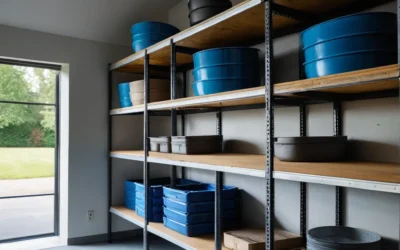
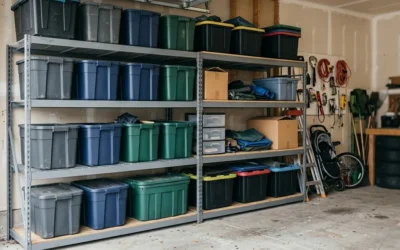
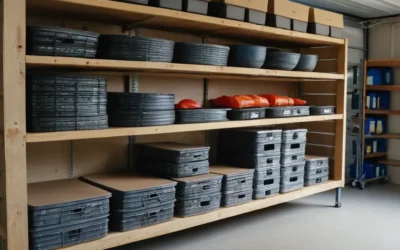
- 18 inches – The most popular depth for general garage storage. Fits most standard plastic storage totes (which are usually 15–17 inches deep) and power tools.
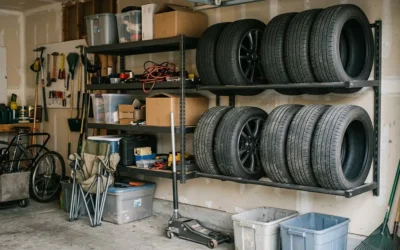
- 24 inches – Best for large bins, heavy equipment, or items like tires and automotive supplies. Requires sturdy supports and often a stronger load rating.
For a deeper look at shelf options, see our reviews of best freestanding garage shelving and best adjustable metal garage shelving.
How to Choose the Right Depth for Your Garage
Follow these steps to determine the ideal shelf depth for your space:
- Measure your largest item – Take the deepest box, tote, or tool you plan to store. Measure its depth from front to back.
- Add clearance – Add 1–2 inches to the item’s depth so it sits fully on the shelf without overhang. For example, a 15-inch tote needs at least a 16-inch shelf; an 18-inch shelf gives extra room.
- Consider reach – If you store items you access frequently, shallower shelves (12–16 inches) allow you to see and grab items without digging. Deep shelves (24 inches) are better for rarely used seasonal items.
- Check your available wall or unit space – Measure the width and height of your installation area. Deep shelves may protrude into walkways, so ensure at least 24 inches of aisle space remains.
Always follow the manufacturer’s installation instructions for anchoring and load limits. Never exceed the rated capacity of your shelf brackets or supports.
Comparison Table: Shelf Depth vs. Typical Uses
| Shelf Depth | Best For | Common Items | Reach Ease |
|---|---|---|---|
| 12 inches | Small parts, tools, spray cans | Paint cans, screwdrivers, gloves | Very easy |
| 16 inches | Milk crates, small totes, folded clothes | 12-pack soda, small bins | Easy |
| 18 inches | Standard plastic totes, power tools | 15–17″ totes, drills, boxes | Moderate |
| 24 inches | Large bins, tires, heavy equipment | 30-gallon totes, car parts | Hard (need to pull items forward) |
If you store many totes, check our guide on best garage shelving for totes for specific recommendations.
Common Mistakes When Choosing Garage Shelf Depth
- Choosing too shallow a depth – Items overhang, fall off, or get damaged. Always measure your largest item before buying.
- Choosing too deep a depth – You lose visibility and access. Items get buried, and you may buy duplicates because you can’t see what’s there.
- Ignoring aisle clearance – Deep shelves reduce walkway space. Make sure you can still move around your garage safely.
- Not accounting for brackets – Some shelf brackets add depth. Measure from the wall to the front edge of the shelf, not just the shelf board.
- Overloading deep shelves – Deeper shelves can hold more weight, but only if the brackets and supports are rated for that load. Check manufacturer specs.
For narrow spaces, see our article on best garage shelving for narrow spaces.
Related Guides
- Best Garage Storage Shelving: Top Picks for Heavy Duty Organization
- Best Industrial Garage Shelving
- Best Adjustable Metal Garage Shelving
Frequently Asked Questions
1. What is the most common garage shelf depth?
18 inches is the most popular depth because it fits standard plastic storage totes and most tools while still allowing reasonable access.
2. Can I use 12-inch shelves for totes?
Only if your totes are less than 11 inches deep. Most standard totes are 15–17 inches deep, so 12-inch shelves would cause overhang. Use 16 or 18 inches instead.
3. How deep should garage shelves be for heavy items like tires?
Tires typically require at least 24 inches of depth (tire width). For stacked tires, consider a shelf that is 24–30 inches deep to allow easy stacking and removal.
4. Should I choose the same depth for all shelves in my garage?
Not necessarily. Use deeper shelves (24 inches) for bulky or seasonal items near the floor or in less accessible areas, and shallower shelves (12–16 inches) for frequently used tools and parts at eye level.
5. How do I measure shelf depth correctly?
Measure from the back wall (or mounting surface) to the front edge of the shelf. If using brackets that extend outward, include that distance. For freestanding units, measure the inside depth of the frame.
Final Tips
Choosing the right garage shelf depth is a balance between what you store and how you access it. Always measure your items first, plan for clearance, and never exceed the load rating of your shelving system. For more guidance, explore our Garage Shelving category for additional reviews and buying advice.


Write Your Review
No reviews yet. Be the first to share your experience!