
This is a review article about how to choose garage shelving.
Top Products
Buying Guide
When choosing how to choose garage shelving, consider the following factors…
Garage shelving is a practical investment for any homeowner looking to maximize space and reduce clutter. Whether you store tools, holiday decorations, or sports equipment, the right shelving system can transform your garage into an organized oasis. This guide will walk you through the essential steps to make an informed decision, focusing on your specific needs without promoting any particular brand or product.
Step 1: Assess Your Storage Needs
Begin by evaluating what you plan to store. Lightweight items like holiday decorations or seasonal clothing require less robust shelving, while heavy tools, paint cans, or automotive parts demand higher weight capacities. Consider the volume and size of your items—bulky totes may need deeper shelves, while small parts benefit from adjustable dividers. A simple inventory list can help you visualize your storage requirements.
Step 2: Measure Your Space
Accurate measurements are crucial. Measure the width, depth, and height of the area where you plan to install shelving. Account for obstructions like windows, doors, or electrical panels. For freestanding units, leave clearance for easy access. For wall-mounted systems, check for studs or solid backing. Remember that ceiling height may limit the number of tiers you can install. If you have narrow spaces, consider specialized shelving solutions.
Step 3: Choose the Right Material
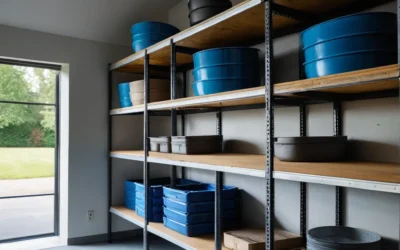
Garage shelving typically comes in three main materials: plastic, metal, and wood. Plastic shelving is lightweight, rust-resistant, and ideal for totes or bins—see our guide on best plastic garage shelving for more details. Metal shelving, especially adjustable metal options, offers high strength and durability for heavy loads; check our best adjustable metal garage shelving recommendations. Wood shelving can be custom-built but may require sealing against moisture. Your choice should balance weight capacity, budget, and garage conditions (e.g., humidity).
Step 4: Determine the Type of Shelving
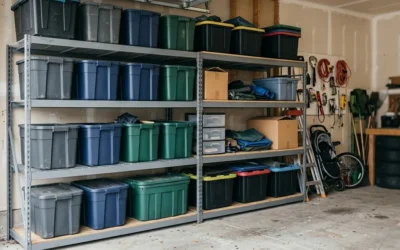
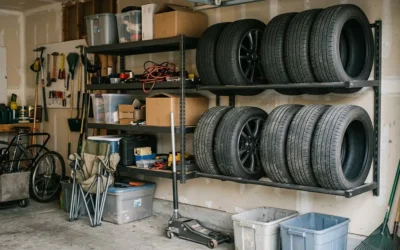
There are three common types: freestanding, wall-mounted, and ceiling-mounted. Freestanding units are versatile and can be moved, but they take up floor space. Wall-mounted shelves save floor area but require secure attachment to studs. Ceiling-mounted racks are great for bulky items like kayaks or seasonal gear. For totes, consider best garage shelving for totes for optimal fit.
Comparison Table: Material Types
| Material | Weight Capacity (approx.) | Durability | Best For |
|---|---|---|---|
| Plastic | 50-100 lbs per shelf | Moderate, rust-resistant | Light to medium items, totes |
| Metal (steel) | 100-500+ lbs per shelf | High, but may rust if uncoated | Heavy tools, equipment |
| Wood | Varies (custom) | Moderate, needs sealing | Custom projects, aesthetic look |
Note: Weight capacities are general estimates; always check manufacturer specifications. For heavy loads, metal shelving is often recommended. If you need freestanding units, refer to best freestanding garage shelving.
Step 5: Consider Installation and Safety
Proper installation is critical for safety. For wall-mounted shelves, locate studs using a stud finder and use appropriate anchors if needed (follow manufacturer instructions). Never exceed the recommended load limit. For freestanding units, ensure they are level and stable; some may require anchoring to walls to prevent tipping. If you store flammable items, avoid placing shelves near water heaters or electrical panels. Always defer to the exact manufacturer guidelines for fasteners and load capacities.
Common Mistakes to Avoid
- Overloading shelves: Exceeding weight limits can cause collapse or damage.
- Ignoring garage conditions: Humidity can rust metal or warp wood; choose materials accordingly.
- Poor anchoring: Wall-mounted shelves must be secured to studs, not drywall alone.
- Not measuring properly: Failing to account for door swings or obstructions wastes space.
- Buying without a plan: Random purchases often lead to mismatched sizes or insufficient capacity.
Related Guides
- Best Garage Storage Shelves
- Best Garage Shelving for Heavy Items: Top Picks Reviewed
- Best Garage Shelving for Sports Equipment
Frequently Asked Questions
1. What weight capacity do I need for garage shelving?
Calculate by adding the weight of your heaviest items. For general use, 200-300 lbs per shelf is common. For heavy tools, look for 500+ lbs. Always check manufacturer specs.
2. Can I install garage shelving on drywall?
Not directly. Shelves must be anchored to studs or use heavy-duty drywall anchors rated for the load. For safety, consult a professional if unsure.
3. What is the best material for a humid garage?
Plastic or coated metal (e.g., epoxy) resists rust and moisture. Wood may warp unless sealed. For humid climates, plastic is often preferred.
4. How do I choose between freestanding and wall-mounted shelving?
Freestanding units offer flexibility and no drilling, but take floor space. Wall-mounted saves space but requires permanent installation. Consider your garage layout and future needs.
5. Can I use garage shelving for holiday decorations?
Yes, especially plastic or metal shelves for lightweight bins. For heavy decorations, ensure adequate capacity. See our Christmas storage category for more ideas.
By following these steps, you can select garage shelving that meets your storage needs, fits your space, and ensures safety. For more options, explore our Garage Shelving category.


Write Your Review
No reviews yet. Be the first to share your experience!