
When organizing your garage, one of the first decisions you’ll face is whether to choose wire or solid shelving. Each type has distinct advantages and drawbacks, and the right choice depends on what you plan to store, your garage’s environment, and your budget. This guide will walk you through the key differences, common mistakes, and practical considerations so you can make an informed decision.
Key Differences Between Wire and Solid Garage Shelves
Wire shelves are made from metal grids, typically coated with a rust-resistant finish. Solid shelves are usually constructed from particle board, plywood, or heavy-duty plastic. The fundamental difference lies in their structure and how they handle weight, airflow, and debris.
| Feature | Wire Shelves | Solid Shelves |
|---|---|---|
| Airflow | Excellent – allows air to circulate around stored items | Poor – can trap moisture and dust |
| Load Capacity | Typically 150–300 lbs per shelf (check manufacturer specs) | Typically 200–500 lbs per shelf (check manufacturer specs) |
| Dust and Debris | Items visible through gaps; dust falls through | Solid surface collects dust; harder to clean underneath |
| Small Items | May require a wire shelf liner to prevent items from falling through | No liner needed; holds small items securely |
| Rust Resistance | Coated metal can rust if scratched; use in dry garages | Particle board can warp; plastic or coated metal is more water-resistant |
| Installation | Often adjustable and easy to assemble | May require more tools; some are freestanding |
When to Choose Wire Shelves
Wire shelves are ideal for garages where ventilation is a concern. For example, if you store paint cans, solvents, or other items that emit fumes, wire shelves allow air to circulate and reduce the risk of vapor buildup. They are also excellent for storing items like sports equipment, tools, or bins where you want to see what you have at a glance. The open grid lets dust and debris fall through, making cleaning easier—just sweep underneath. However, wire shelves are not suitable for storing very small items like screws or nails without a liner, as they can slip through the gaps.
When to Choose Solid Shelves
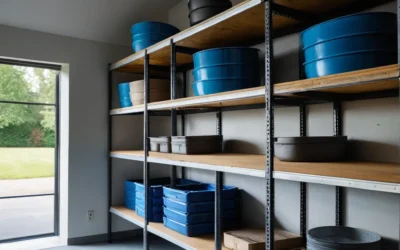
Solid shelves are better for heavy, bulky items like boxes of holiday decorations, power tools, or automotive supplies. The flat surface provides a stable platform and prevents small items from falling. Solid shelves also offer a more uniform appearance and can be used as a work surface. However, they can trap moisture underneath, so if your garage is humid, consider a moisture barrier or choose shelves with a waterproof coating. Solid shelves are often more expensive than wire, but they can support higher weight limits when properly anchored.
Common Mistakes to Avoid
- Ignoring load limits: Always check the manufacturer’s specified weight capacity per shelf. Overloading can cause collapse or damage.
- Not anchoring to studs: For wall-mounted shelves, always anchor to wall studs using appropriate hardware. Never rely on drywall alone.
- Using wire shelves for small items without liners: Small parts will fall through the gaps. Use a solid liner or bin.
- Placing solid shelves in damp areas: Moisture can warp particle board or cause rust on metal supports. Ensure your garage is dry or choose water-resistant materials.
- Ignoring ceiling height: Measure your garage’s ceiling height to ensure shelves fit without interfering with garage door tracks or lighting.
Installation and Safety Tips
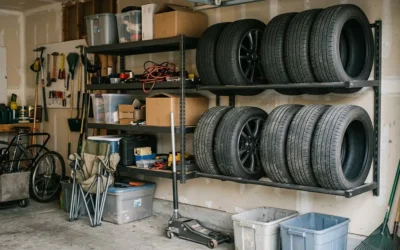
Proper installation is critical for safety. Always follow the manufacturer’s instructions exactly. For wall-mounted shelves, locate wall studs using a stud finder and use lag bolts or appropriate anchors rated for the shelf’s weight. Never exceed the recommended load. For freestanding shelves, ensure they are on a level surface and consider using wall straps to prevent tipping. If your garage has electrical outlets or wiring, avoid drilling near them. For load-bearing advice, consult a structural engineer if you are unsure about your wall’s capacity.
Comparison Table: Wire vs Solid at a Glance
| Factor | Wire Shelves | Solid Shelves |
|---|---|---|
| Best for | Ventilated storage, visible inventory, dusty garages | Heavy loads, small items, work surfaces |
| Weight capacity | Typically 150–300 lbs per shelf | Typically 200–500 lbs per shelf |
| Moisture resistance | Moderate (coated metal) | Low (particle board) to high (plastic or coated) |
| Price | Generally lower | Generally higher |
| Ease of cleaning | Easy – debris falls through | Harder – must wipe surface and clean underneath |
Related Guides
- Best Wall Mounted Garage Shelving
- Best Garage Storage Shelves
- Best Garage Shelving for Heavy Items: Top Picks Reviewed
Frequently Asked Questions
1. Can I use wire shelves for heavy items like car batteries?
Yes, if the shelf is rated for that weight. Check the manufacturer’s load capacity. Wire shelves can handle heavy loads, but ensure they are anchored to studs and not overloaded.
2. Do solid shelves rust?
Solid shelves made of particle board can warp from moisture but won’t rust. Metal-framed solid shelves may rust if the coating is scratched. Plastic solid shelves are rust-proof.
3. Which type is better for storing Christmas decorations?
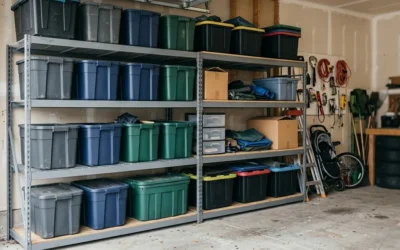
Solid shelves are better for heavy totes and boxes of ornaments, as they provide a stable surface and prevent small items from falling. Wire shelves work if you use bins or liners.
4. How do I calculate the total load my shelf can hold?
Multiply the per-shelf weight capacity by the number of shelves. For example, if each shelf holds 200 lbs and you have 4 shelves, the total is 800 lbs. However, the entire unit’s capacity may be less; refer to the manufacturer’s total weight limit.
5. Can I install wire shelves without a stud finder?
No. You must use a stud finder to locate wall studs for secure anchoring. Using drywall anchors alone is unsafe for heavy loads. If you cannot find studs, consider a freestanding unit instead.
For more information on garage shelving options, check out our guides on best freestanding garage shelving and best adjustable metal garage shelving. If you need storage for totes, see our best garage shelving for totes article.

Write Your Review
No reviews yet. Be the first to share your experience!