

5 Common Causes of Neck and Shoulder Pain and How to Fix Them
Neck and shoulder pain can happen suddenly, but in many cases, the real cause comes from small daily habits. You may wake up with a stiff neck, feel tightness after sitting at your desk, or notice shoulder pain after carrying a heavy bag, doing housework, or playing with your kids.
Sometimes the cause is easy to understand, such as a fall, workout injury, or sports activity. But when the pain seems to appear for no clear reason, it can be frustrating. The truth is, everyday movements and poor posture can slowly put stress on your neck, shoulders, muscles, tendons, and joints.
The good news is that many cases of mild neck and shoulder pain can be improved with better posture, smarter movement, gentle stretching, and simple lifestyle changes.
Below are five common causes of neck and shoulder pain and practical tips to help reduce discomfort.
![Woman holding the back of her neck due to neck and shoulder pain – insert image here]
1. Sleeping in the Wrong Position
One of the most common causes of neck pain is sleeping with your neck in an awkward position. This can happen when you fall asleep on the couch, use the wrong pillow, or sleep in a position that twists your neck for several hours.
When your neck is bent or turned unnaturally, the muscles can become irritated and tight. You may wake up with stiffness, pain, or difficulty turning your head from side to side.
This type of stiff neck may improve with rest, gentle movement, and light stretching. However, prevention is even better.
How to Prevent Neck Pain While Sleeping
Choose a supportive mattress. If your mattress is old, sagging, or no longer supports your body properly, it may affect your spinal alignment. A medium-firm mattress can help support your back, neck, and shoulders.
Use the right pillow. Your pillow should keep your head aligned with your spine. If your pillow is too high, your neck may bend upward. If it is too flat, your head may drop downward. Both positions can create extra stress on your neck muscles.
Avoid sleeping on your stomach. Sleeping on your stomach often forces your head to turn to one side for hours, which can strain the neck and shoulders.
Try side or back sleeping. These positions are usually better for keeping your neck and spine in a more natural position.
![Supportive pillow for neck pain relief – insert image here]
2. Doing Housework
Housework may not seem dangerous, but many chores involve repeated bending, reaching, twisting, pulling, and lifting. Over time, these movements can put pressure on your neck, shoulders, upper back, and arms.
Activities like vacuuming, doing laundry, making the bed, cleaning windows, carrying baskets, or lifting heavy objects can all contribute to muscle tension and shoulder pain.
The problem often comes from poor body mechanics. For example, twisting your upper body while vacuuming or stretching across a bed to fix the sheets can place extra strain on your muscles and joints.
How to Avoid Neck and Shoulder Pain During Housework
Use ergonomic tools when possible, such as lightweight cleaning equipment or laundry baskets with better handles.
Take short breaks instead of doing all chores at once.
Move your whole body instead of twisting only your neck, back, or shoulders.
Keep objects close to your body before lifting them.
Slide heavy items closer before picking them up.
Lift with your legs, not your back or shoulders.
Avoid reaching too far when cleaning, making beds, or organizing items.
Small changes in the way you move can help reduce unnecessary stress on your neck and shoulders.
3. Playing With Your Kids
Playing with children can also trigger neck and shoulder pain, especially if you are repeatedly bending down, lifting a child, carrying them on one side, or doing sudden physical activities after being inactive for a while.
For example, picking up your child many times at the playground, playing basketball in the driveway, or running around after a long period of sitting can cause muscle tension and joint strain.
This does not mean you should stop playing with your kids. It simply means your body needs proper movement and strength to handle these activities safely.
How to Reduce Pain When Playing With Kids
Use proper lifting technique. Stand close to your child before lifting. Bend your knees instead of bending at your waist. Tighten your core and lift with your legs.
Avoid twisting while lifting. Turn your whole body instead of twisting your neck or back.
Strengthen your core. Strong core, back, and glute muscles can support your spine and reduce pressure on your neck and shoulders.
Stay active regularly. A body that moves often is usually better prepared for physical play.
Keep a healthy weight. Maintaining a healthy weight may reduce extra stress on your joints and muscles.
![Parent safely lifting child with proper posture – insert image here]
4. Slumping Over at Work
Desk work is one of the biggest modern causes of neck and shoulder pain. Many people spend hours sitting in front of a computer, leaning forward, rounding their shoulders, or looking down at a phone.
This position is often called “tech neck.” When your head moves forward, your neck and shoulder muscles have to work harder to support it. Over time, this can lead to tightness, stiffness, headaches, and upper back discomfort.
Poor workstation setup can make the problem worse. A chair that does not support your back, a monitor that is too low, or a keyboard placed too far away can all increase strain.
How to Set Up a Neck-Friendly Workspace
Choose a chair that supports the natural curve of your spine.
Adjust your chair so your feet rest flat on the floor.
Keep your thighs parallel to the floor.
Relax your shoulders while working.
Keep your keyboard and mouse close to your body.
Place your monitor directly in front of you.
Keep the top of your screen at or slightly below eye level.
Keep your monitor about an arm’s length away.
Use a headset or speaker instead of holding your phone between your ear and shoulder.
Take short breaks to stand, walk, and stretch.
A better workspace can make a big difference, especially if you work long hours at a desk.
![Desk worker with ergonomic setup to prevent neck and shoulder pain – insert image here]
5. Carrying a Heavy Shoulder Bag
A heavy shoulder bag can quietly cause neck and shoulder pain. When you carry too much weight on one side of your body, your posture becomes unbalanced.
Your spine, neck, and shoulder muscles then have to work harder to compensate. Over time, this uneven load can lead to pain in the upper back, shoulders, and neck.
This is common for people who carry large handbags, laptop bags, gym bags, or work bags every day.
How to Carry a Bag Without Hurting Your Neck and Shoulders
Switch shoulders often so one side does not take all the pressure.
Keep the bag close to your body to reduce strain.
Place heavier items at the bottom of the bag.
Remove unnecessary items to reduce weight.
Consider using a backpack with two straps instead of a one-sided shoulder bag.
Strengthen your core and back muscles to better support your spine.
If you carry a bag every day, reducing the weight can quickly make your neck and shoulders feel better.
Simple Tips to Relieve Neck and Shoulder Pain at Home
If your pain is mild and related to muscle tension, daily habits, or posture, these simple methods may help:
Use cold therapy for fresh pain or swelling.
Use heat for stiff or tight muscles.
Stretch your neck and shoulders gently.
Take regular breaks from sitting.
Avoid looking down at your phone for long periods.
Improve your sleeping position.
Use a supportive pillow.
Keep your shoulders relaxed during the day.
Stay active with light exercise.
Avoid carrying heavy bags on one side.
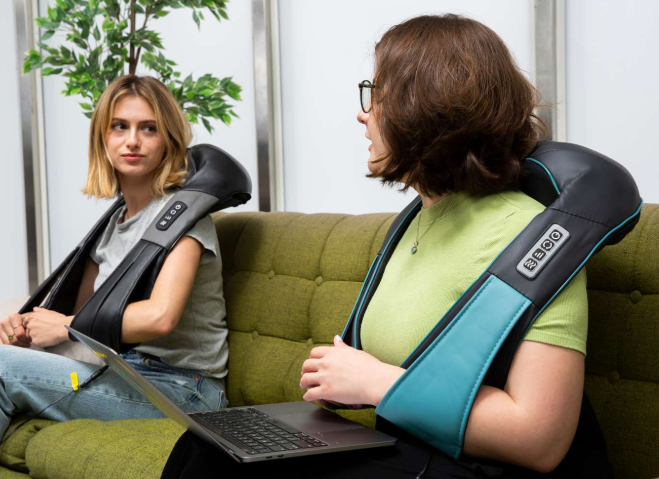
You can also consider using supportive tools such as a heating pad, neck massager, ergonomic chair, laptop stand, or posture corrector to improve daily comfort.
When Should You See a Doctor?
Most mild neck and shoulder pain improves with rest and better habits. However, you should speak with a healthcare professional if:
The pain is severe or getting worse.
The pain lasts for several weeks.
You feel numbness, tingling, or weakness.
Pain spreads down your arm or hand.
You had an accident, fall, or injury.
You have fever, swelling, or unexplained symptoms.
You cannot move your neck or shoulder normally.
Do not ignore pain that feels unusual, intense, or persistent.
Final Thoughts
Neck and shoulder pain is often caused by everyday habits rather than one major injury. Sleeping in the wrong position, doing housework with poor posture, lifting children incorrectly, sitting at a desk for too long, and carrying a heavy shoulder bag can all place stress on your muscles and joints.
The best way to reduce pain is to improve your daily movement patterns. Use a supportive pillow, set up an ergonomic workspace, lift properly, take breaks, stretch gently, and avoid carrying too much weight on one shoulder.
With small changes, you can protect your neck and shoulders, reduce muscle tension, and feel more comfortable throughout the day.